
- Local: (516) 346-4636
- Toll-Free: (800) 886-6060
- Email: kflynn@nationalwebbing.com
The nylon webbing used in belts, harnesses, tie-downs, and countless other products is engineered for strength and durability. Yet even the most robust materials degrade when exposed to harsh conditions or handled carelessly. Wholesale buyers and factory managers often focus on cost and production volumes, overlooking the quiet processes that determine whether rolls of webbing remain pristine or suffer hidden damage. When a strap fails in the field, the cost isn’t limited to replacement; it includes reputational harm and, in some cases, physical injury. Protecting nylon webbing from the moment it leaves the loom until it is sewn into a finished product is a critical responsibility.
Many factors conspire against nylon’s longevity. Ultraviolet rays weaken polymer chains, high humidity promotes mildew, extreme heat can distort fibres, and dust and chemicals can abrade and contaminate the webbing. In a factory environment, hundreds of spools may sit on shelves for weeks or months before use. Without a deliberate strategy for storage and maintenance, subtle deterioration accumulates. By understanding the vulnerabilities of nylon webbing and implementing thoughtful practices, manufacturers can extend the life of their inventory, reduce waste, and ensure that every strap performs as intended when it matters most.
Nylon is a synthetic polymer that derives its strength from long chains of molecules. Exposure to ultraviolet light breaks these chains down over time, causing fading and embrittlement. Direct sunlight is particularly damaging, but fluorescent lights and even daylight filtering through windows can degrade material. Excessive heat accelerates this process, while cold temperatures can make fibres brittle. Moisture poses another challenge: high humidity encourages mold and mildew, while very low humidity can dry the fibres, making them less flexible and more prone to cracking. Contact with chemicals such as oils, solvents, or acids can lead to discoloration, swelling, or loss of tensile strength. Understanding these environmental threats is the first step toward mitigating them.
In addition to environmental stressors, nylon webbing also suffers from rough handling. Abrasion occurs when spools are dragged across rough surfaces, wearing away the outer filaments and exposing the core. Dust and dirt particles embed between fibres, creating friction points that weaken the strap when it bends or stretches. Improper stacking of heavy spools can distort the weave, and bending webbing sharply around tight corners causes creasing that may become permanent. Contamination from dirty hands or gloves transfers oils and debris onto the material. These mechanical insults accumulate silently but significantly reduce the webbing’s lifespan.
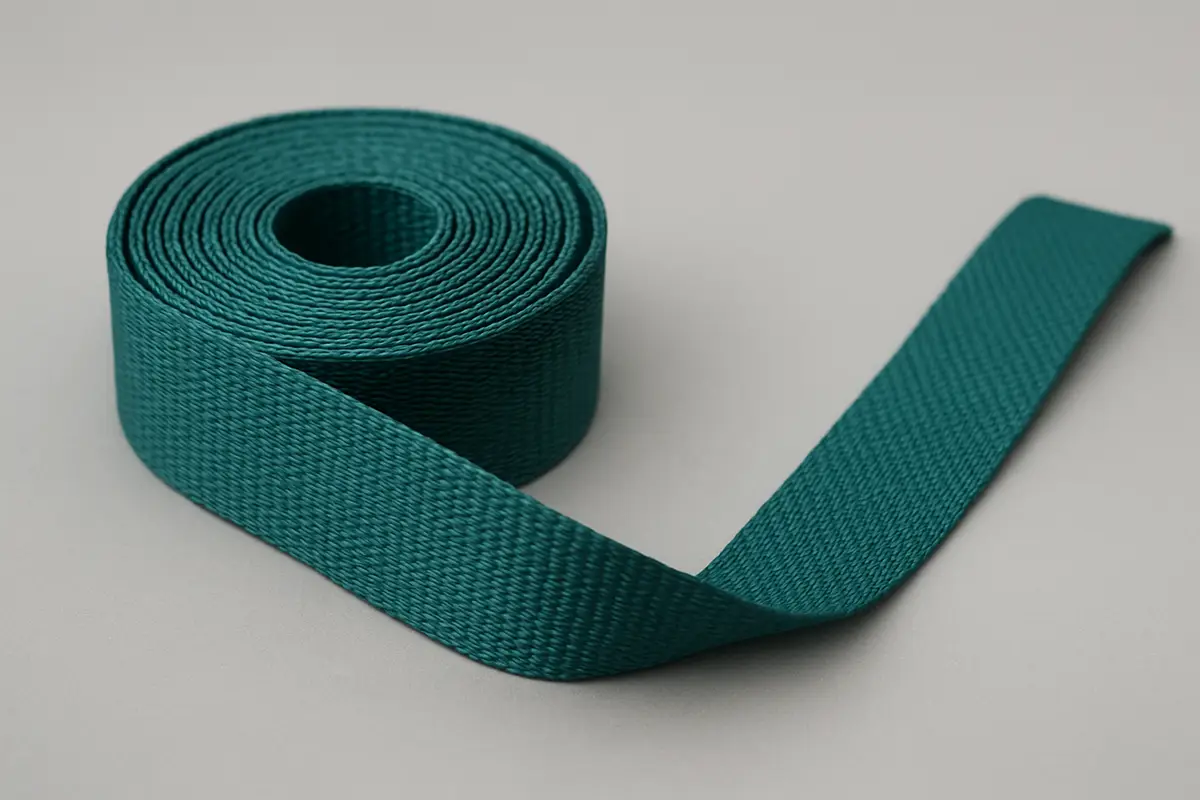
Climate-controlled storage is the most effective way to preserve nylon webbing. Industry guidance from webbing manufacturers recommends keeping inventory in a clean, enclosed space where temperatures stay between 60 and 75 degrees Fahrenheit and relative humidity remains in the 40 to 50 percent range. Stable conditions reduce the risk of thermal expansion, contraction, and condensation. Avoid storing webbing near heaters, vents, or exterior walls where temperature swings are pronounced. If the facility is in a region with humid summers or dry winters, install dehumidifiers or humidifiers to maintain the recommended range. Regularly monitor conditions with sensors or loggers and adjust systems accordingly.
Because ultraviolet light weakens nylon, webbing should be stored in dark or opaque containers. Shelving units with solid sides or doors prevent ambient light from reaching spools. If using open shelving, cover spools with UV-blocking wraps or place them in opaque bins. Avoid transparent plastic wrap unless it is rated to block UV rays. Dust management is equally important. Fine particles act like sandpaper on the fibres, and when combined with moisture, can accelerate mold growth. Storage guides from National Webbing Products stress keeping storage areas clean, using sealed containers, and covering shelves with cloths or plastic sheets to reduce dust accumulation. Position webbing away from woodworking areas or other sources of particulate matter.
Orderly storage not only protects the material but also streamlines workflow. Hang or store spools on racks designed to support their weight; avoid stacking heavy rolls on top of each other to prevent flattening or distortion. Label each spool clearly with material type, width, color, and date of manufacture or receipt. Industry best practices for wholesale nylon webbing call for a first-in, first-out rotation system so that older inventory is used before newer deliveries, minimizing the time any given roll spends on the shelf. Segregate nylon webbing from other materials that might shed fibres or chemicals. When possible, keep webbing off the floor to prevent moisture or pest contact.
Even under ideal storage conditions, improper handling can quickly undo those benefits. Always lift or roll spools rather than dragging them. Use carts or dollies to move multiple spools at once and avoid bumping them into hard surfaces. Equip the handling area with spool stands that allow material to be dispensed smoothly without friction. Workers should wear clean gloves to prevent skin oils and dirt from transferring to the webbing. Do not mark webbing directly with ink or paint; instead, attach tags or labels to the spool flange. The same storage guidelines emphasize keeping the storage area separate from areas where solvents, acids, or other chemicals are used to avoid cross-contamination.
Key handling points include:
Regularly inspecting and cleaning stored webbing helps catch developing problems early. Set a monthly schedule for high-turnover inventories and a quarterly schedule for lower-volume items, and examine each roll for discoloration, fraying, mold, or unusual odors. If dust or dirt is present, gently clean the affected sections using warm water and a mild detergent. According to manufacturer recommendations, use a soft microfiber cloth to wipe the webbing and remove soil, then rinse thoroughly with clean water. Avoid harsh chemicals or abrasive brushes can damage the fibres, so ensure you avoid these. After cleaning, ensure the webbing is fully dry by blotting excess water with a towel and hanging the webbing in a shaded, well-ventilated area to air dry. Experts caution against exposing damp webbing to direct sunlight or high heat, which can cause shrinkage or warping. Keep a log of inspections and cleaning actions to track any recurring issues.
A simple maintenance checklist helps teams stay consistent:
Factories in different climates or older buildings may struggle to maintain ideal storage conditions year-round. Seasonal variations demand flexible solutions: in humid summers, portable dehumidifiers may be necessary, while in cold winters, additional heating can keep temperatures within range. Install monitoring equipment that alerts managers when temperature or humidity deviates from acceptable limits. In some cases, relocating the storage area within the facility, such as moving it to a basement or interior room, can provide more stable conditions. Being proactive about environmental control prevents minor deviations from turning into major deterioration.
Protecting wholesale nylon webbing is not a one-time project but an ongoing commitment. The benefits of proper storage and maintenance ripple through the supply chain: fewer defects during production, greater consistency in finished goods, reduced waste, and stronger customer relationships. By respecting the material’s vulnerabilities and investing in the people and systems that safeguard it, manufacturers demonstrate that quality and responsibility go hand in hand. In an industry where reliability is paramount, a culture of preservation is both prudent and profitable.
